

Why Outdoor Learning Is Essential for Early Childhood Development
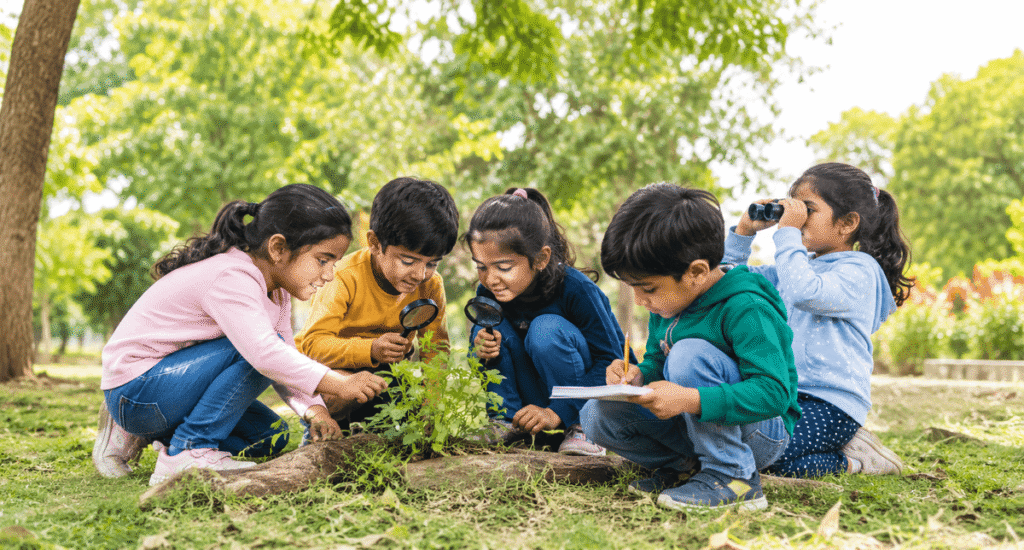
Early childhood is a crucial stage where children develop their physical abilities, communication skills, creativity, and understanding of the world around them. The experiences children gain during their early years create the foundation for lifelong learning and confidence. While classroom activities play an important role, outdoor exploration provides children with opportunities to learn through real-world experiences.
Outdoor learning for early childhood development encourages children to observe, experiment, interact, and discover new things in a natural environment. Activities such as playing outdoors, exploring nature, gardening, running, and group games help children improve their physical, social, and emotional skills.
At Akshaya Bala Kuteera, outdoor activities are an important part of early education, allowing children to learn through curiosity, creativity, and play-based experiences. A balanced approach that combines classroom learning with outdoor exploration helps children develop essential skills needed for their future academic and personal growth.
Why Is Outdoor Learning Important in Early Childhood?
Children naturally learn by exploring their surroundings. Outdoor environments provide a different learning experience compared to traditional classroom settings. When children interact with nature, objects, and other children, they develop observation skills, problem-solving abilities, and confidence.
Early childhood education is not limited to books and lessons. Young children learn through movement, imagination, and hands-on experiences. Outdoor learning allows them to ask questions, make discoveries, and understand concepts in a practical way.
For example, observing plants helps children understand nature, while outdoor games improve coordination and teamwork. These experiences support overall child development by strengthening physical, cognitive, social, and emotional abilities.
How Does Outdoor Exploration Support Child Development?
Outdoor exploration plays a major role in improving different areas of a child’s growth. It encourages children to become active learners who are willing to explore and try new things.
1. Improves Physical Development
Outdoor activities encourage children to move, run, jump, climb, and participate in physical games. These activities help develop balance, coordination, flexibility, and strength.
Physical movement is especially important during the preschool years because children are still developing their gross motor skills. Regular outdoor play supports a healthy lifestyle and improves body awareness.
Activities such as:
- Running games
- Obstacle courses
- Ball activities
- Nature walks
- Playground activities
help children improve their physical abilities while having fun.
2. Encourages Creativity and Imagination
Outdoor spaces provide endless opportunities for creative thinking. Unlike structured indoor activities, outdoor environments allow children to create their own games, explore materials, and use their imagination.
A simple activity like collecting leaves, observing insects, or playing with sand can become a valuable learning experience. Children learn to think creatively and develop new ideas through exploration.
This approach connects with play based learning, where children learn important concepts naturally through enjoyable activities rather than memorization.
How Does Outdoor Play Improve Social Skills?
Social development is an essential part of early childhood education. Outdoor play gives children opportunities to interact with their classmates, share ideas, and work together.
Group activities encourage children to communicate, cooperate, and understand different perspectives. They learn important social skills such as:
- Sharing and teamwork
- Taking turns
- Solving conflicts
- Expressing feelings
- Building friendships
A quality preschool environment includes opportunities where children can develop these skills through both structured and free play.
Can Outdoor Learning Improve Emotional Growth?
Yes, outdoor exploration can positively influence children’s emotional development. Spending time outdoors helps children feel relaxed, confident, and independent.
When children explore new environments, they learn how to make decisions and solve small challenges on their own. Completing outdoor activities builds confidence and creates a sense of achievement. Nature-based activities can also reduce stress and encourage positive emotions. Children who regularly participate in outdoor learning often develop better focus, patience, and self-confidence.
Why Should Preschools Include Outdoor Activities?
A good nursery school or preschool should provide learning experiences beyond the classroom. Outdoor activities allow children to connect lessons with real-life experiences.
For example:
- Gardening teaches children about plants and responsibility.
- Outdoor experiments develop curiosity and observation skills.
- Group games improve communication and teamwork.
- Nature walks encourage environmental awareness.
These activities make learning more meaningful and enjoyable for young children. Parents looking for the right preschool should consider schools that offer a combination of academic learning, creative activities, and outdoor experiences.
How Does Outdoor Learning Support Play-Based Learning?
Play-based learning is one of the most effective approaches in early education because children learn naturally through activities they enjoy. Outdoor environments provide the perfect setting for this learning method.
Through outdoor play, children develop:
- Problem-solving skills
- Decision-making abilities
- Communication skills
- Creativity
- Independence
Instead of simply receiving information, children actively participate in the learning process. This makes concepts easier to understand and remember. Many modern Montessori schools also focus on hands-on learning experiences where children explore, discover, and learn at their own pace.
What Skills Do Children Learn Through Outdoor Exploration?
Outdoor exploration helps children develop a wide range of skills that support their overall growth.
Cognitive Skills
Outdoor activities encourage children to observe, compare, ask questions, and find solutions. These experiences improve thinking abilities and curiosity.
Communication Skills
Children learn new words and improve their communication skills while discussing their experiences with teachers and friends.
Independence Skills
Exploring outdoor environments allows children to make choices, complete tasks, and develop confidence in their abilities.
Environmental Awareness
Nature-based activities teach children to appreciate and care for the environment from an early age.
How Can Parents Encourage Outdoor Learning at Home?
Parents can also support outdoor learning by creating opportunities for children to explore outside school. Simple activities can become valuable learning experiences.
Some ideas include:
- Visiting parks and nature areas
- Gardening together
- Encouraging outdoor games
- Exploring different plants and animals
- Allowing children to play with natural materials
Reducing screen time and encouraging active exploration helps children develop healthier habits and improves their overall well-being.
How Does Outdoor Learning Help Preschool Readiness?
The skills children gain through outdoor exploration prepare them for future academic and social experiences. Activities that improve concentration, communication, and independence help children transition smoothly into formal schooling.
A strong early education foundation helps children become confident learners. Outdoor experiences complement classroom activities by developing skills that cannot always be taught through textbooks.
Choosing a preschool that focuses on holistic development ensures children receive opportunities to grow emotionally, physically, socially, and academically.
Why Choose Akshaya Bala Kuteera for Early Childhood Education?
Choosing the right learning environment is important for a child’s early years. A preschool should provide a safe, engaging, and supportive space where children can explore their interests and develop essential skills.
Akshaya Bala Kuteera focuses on creating meaningful learning experiences through child-friendly activities, play-based learning, and opportunities for exploration. By combining classroom learning with interactive experiences, the preschool supports children’s overall development and prepares them for future learning journeys.
Conclusion
Outdoor exploration is an essential part of early childhood development because it helps children learn through curiosity, movement, creativity, and real-world experiences. Activities outside the classroom support physical growth, social skills, emotional confidence, and problem-solving abilities.
A balanced approach that combines outdoor learning, play-based learning, and early education creates a strong foundation for children’s future success. By providing opportunities to explore and discover, Akshaya Bala Kuteera helps young learners develop the confidence and skills they need to grow into active and independent learners.
Frequently Asked Questions
1. Why is outdoor learning important for preschool children?
Outdoor learning helps preschool children develop physical skills, creativity, confidence, communication abilities, and problem-solving skills through practical experiences.
2. How does outdoor play support early childhood development?
Outdoor play improves children’s motor skills, social interaction, emotional growth, and cognitive abilities by encouraging exploration and hands-on learning.
3. What activities are included in outdoor learning for preschoolers?
Outdoor learning activities may include nature walks, gardening, playground games, sensory activities, creative exploration, and group activities.
4. Is outdoor learning part of play-based learning?
Yes, outdoor learning is an important part of play-based learning because children understand concepts better through exploration, movement, and real-life experiences.
5. How do I choose the best preschool for my child?
Parents should look for a preschool that provides a safe environment, experienced teachers, balanced early education methods, outdoor activities, and opportunities for overall development.