

7 Ways to Teach Kindness to Animals: Raising Compassionate Kids
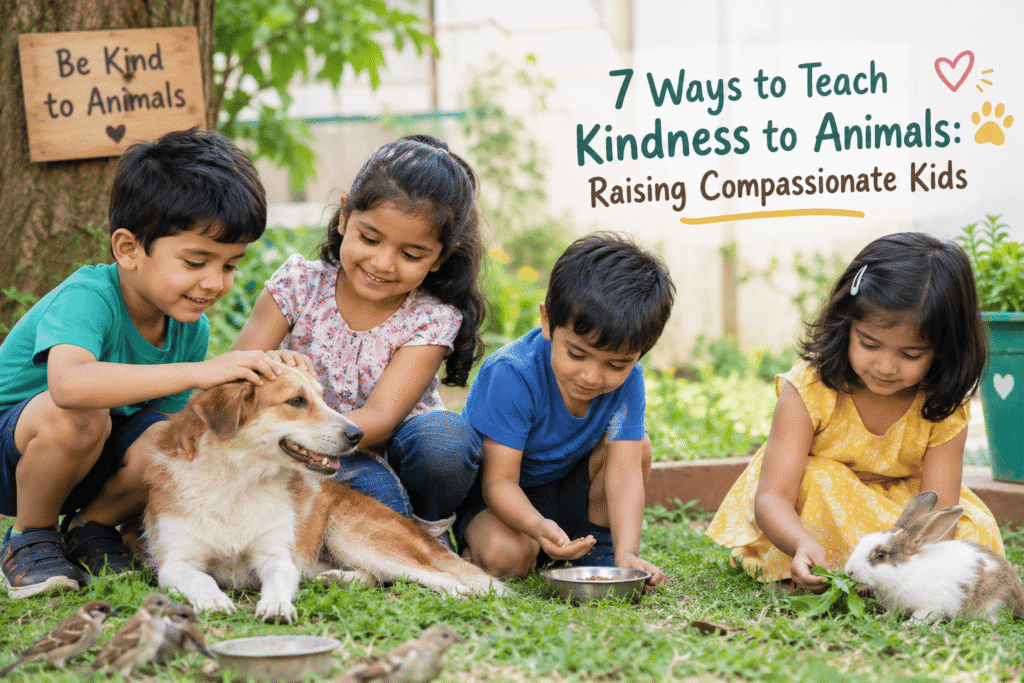
Teaching children to be kind is one of the most important lessons parents and educators can offer. Young children learn about the world by observing people, exploring their surroundings, and interacting with living things. Teaching kindness to animals helps them understand compassion, respect, and responsibility from an early age. Simple experiences, such as watching birds, caring for plants, or learning how to behave around a pet, can help children develop a caring attitude towards other living beings.
At Akshaya Bala Kuteera, early childhood education focuses on creating a safe and stimulating environment where children can develop social, emotional, cognitive, and physical skills through play-based activities and guided learning. Teaching children to care for animals also supports these learning goals by encouraging them to notice others’ needs, express their feelings, and make thoughtful choices. With guidance from parents and teachers, children can gradually learn that even small acts of kindness can make a difference.
Why Is Kindness to Animals Important?
Children are naturally curious about animals. They may want to pet a dog, feed birds, or watch ants moving along the ground. These everyday moments provide opportunities to introduce kindness to animals and explain that animals have their own needs, feelings, and ways of communicating. Teaching children to treat animals gently helps them understand that living beings deserve care and respect. These experiences encourage animal care for kids, develop empathy through kindness activities, and support social emotional learning by helping children consider how their actions may affect others.
Here are some important benefits of teaching kindness to animals:
Develops empathy: Children begin to understand that animals can feel fear, discomfort, and pain.
Builds responsibility: Age-appropriate tasks help children learn that caring for a living being requires attention and consistency.
Encourages patience: Children learn to give animals space and wait for them to approach.
Promotes respect: They understand that animals should not be disturbed, frightened, or hurt.
Supports emotional growth: Caring experiences give children opportunities to express concern and respond thoughtfully.
These lessons contribute to social and emotional development. When children practise kindness in everyday situations, they also have opportunities to develop positive relationships with family members, teachers, and friends.
How Can Parents Teach Animal Care to Kids?
Teaching animal care does not require a pet at home. Parents can introduce simple habits that help children understand how animals live and what they need.
1. Explain What Animals Need
Start by explaining that animals need food, clean water, shelter, rest, and appropriate care. Use familiar examples, such as a pet dog needing regular meals or birds needing suitable places to rest. For young children, simple explanations are more effective than lengthy discussions. You can ask questions such as, “What does our pet need to feel safe?” or “Where do birds rest?” These conversations encourage children to think about the needs of other living beings instead of focusing only on their own interests.
2. Teach Gentle Behaviour
Children may not immediately understand that pulling an animal’s tail, shouting near it, or chasing it can cause fear or discomfort. Parents should explain these boundaries calmly and demonstrate the right behaviour.
Teach children to:
Use gentle movements when interacting with animals.
Avoid pulling ears, tails, feathers, or fur.
Never throw objects at animals or tease them.
Give animals space when they are eating or resting.
Ask an adult before approaching or touching an unfamiliar animal.
Children should also understand that not every animal wants to be touched. Respecting an animal’s space is an important part of kindness.
3. Encourage Observation
Watching animals from a safe distance can be a valuable learning experience. Children can observe birds in a tree, butterflies in a garden, or squirrels moving around a park. Ask them what they notice. Is the bird building a nest? Is the butterfly resting on a flower? Where does the squirrel go when it feels disturbed? These observations develop curiosity and help children appreciate the natural world. They also introduce the idea that animals have different habits and needs.
What Kindness Activities Can Preschoolers Try?
Children learn many concepts more easily when they can see, discuss, and practise them. Kindness activities can make animal care a meaningful part of everyday learning at home or in preschool.
Here are some simple activities suitable for young children.
1. Read Stories About Animals
Choose age appropriate picture books featuring pets, birds, forest animals, or stories about helping living beings.
After reading, ask children questions such as:
How do you think the animal feels?
What could the character do to help?
Was the character gentle and caring?
What would you do in the same situation?
Storytelling helps children identify emotions and think about how their actions affect others. It also supports language development, listening skills, and imagination.
2. Create an Animal Care Chart
Make a simple chart with pictures of different animals and their basic needs. Children can match a dog with a safe home, a bird with a nest, or a fish with an appropriate aquatic environment. Parents and teachers can use the chart to explain animal care for kids and the importance of kindness to animals. Children can also draw their favourite animals and describe one way to treat them kindly.
3. Draw a Kindness Poster
Give children paper, crayons, and pencils to create a poster showing people treating animals gently. They might draw someone observing birds, helping an animal with an adult, or keeping a natural area clean. Display their artwork at home or in the classroom. This activity encourages creativity through kindness activities while teaching children compassion, responsibility, and respect for nature.
4. Learn Through Nature Walks
A supervised nature walk allows children to observe insects, birds, and other small creatures in their natural surroundings. Encourage them to watch without disturbing the animals or damaging their habitats. Explain why they should not catch butterflies, pull apart nests, or handle unfamiliar insects. These experiences teach kindness to animals, encourage respect for nature, and support social emotional learning through observation and responsible behaviour.
How Does Kindness Support Social Emotional Learning?
Social emotional learning helps children recognise emotions, manage their responses, develop relationships, and make thoughtful decisions. Learning to care about animals can provide everyday opportunities to practise these skills.
Through guided experiences, children can practise:
Recognising emotions: Talking about how an animal might feel in different situations.
Managing impulses: Learning not to chase, grab, or frighten animals.
Making responsible choices: Asking an adult for help instead of handling an unfamiliar animal.
Showing consideration: Understanding that other living beings have needs of their own.
Children develop these abilities at different rates. Parents and educators can support progress by demonstrating the behaviour they want children to learn, acknowledging thoughtful actions, and gently correcting mistakes. The aim is not to expect perfect behaviour from young children. It is to give them regular opportunities to practise kindness and understand why it matters.
How Can a Preschool Encourage Compassion?
A preschool plays an important role in helping children develop social skills and positive values. In a supportive classroom, children can learn kindness to animals through stories, group activities, conversations, creative projects, and everyday interactions. A play based preschool gives children opportunities to explore ideas through meaningful experiences rather than relying only on instructions. Teachers can introduce animal-themed stories, drawing activities, role-play situations, and discussions about animal care for kids.
At Akshaya Bala Kuteera (ABK), guided learning and play-based experiences support children’s social, emotional, and cognitive development. Its learning environment encourages children to develop values such as empathy, kindness, respect, and cooperation. Parents looking for a preschool in Bangalore can explore Akshaya Bala Kuteera’s programmes to learn more about its playgroup, Pre-KG, LKG, UKG, and Montessori-based learning environment.
How Can Parents Set a Good Example?
Children often learn more from what adults do than from what adults say. When parents demonstrate gentle and respectful behaviour towards animals, children have an example they can follow.
Try incorporating these simple habits into daily life:
Speak gently about animals and avoid encouraging children to tease them.
Show children how to observe animals without disturbing them.
Explain why stray animals should be approached only with appropriate adult guidance.
Encourage children to keep parks and outdoor spaces free from litter.
Praise thoughtful behaviour, such as giving an animal space or asking an adult for help.
If a child behaves roughly towards an animal, respond calmly but firmly. Stop the behaviour, make sure the animal is safe, and explain what the child should do differently.
How Can Children Help Animals Safely?
Encouraging kindness should always go hand in hand with safety. Young children may not recognise when an animal is frightened, defensive, or unwell. Adult supervision is therefore essential.
Teach children to follow these safety guidelines:
Never approach, chase, or touch an unfamiliar animal without adult guidance.
Do not disturb animals while they are eating, sleeping, caring for their young, or trying to move away.
Never feed an animal without checking with a responsible adult that the food is appropriate.
Do not attempt to pick up injured or sick animals.
Tell an adult if an animal appears hurt, trapped, or in danger.
Children should also learn that kindness does not always mean touching or feeding an animal. Sometimes the kindest action is to leave it undisturbed.
How Can Kindness Become a Daily Habit?
Children are more likely to understand kindness to animals when they experience it regularly. Rather than treating animal care as a one-time lesson, parents and teachers can make it part of everyday conversations and activities. Start with small, achievable actions. Ask children to describe an animal they observed, share a story about helping a living being, or explain why animals need safe places to rest.
You can also introduce weekly kindness activities, such as reading an animal story, creating an animal drawing, or discussing how to behave around pets. Remember to recognise effort rather than expecting immediate results. When children demonstrate patience, gentle behaviour, or concern for an animal, acknowledge what they did and explain why it was helpful. Over time, these experiences support social emotional learning and help children develop compassion, responsibility, and respect for living beings through their everyday choices.
Conclusion
Teaching kindness to animals is a simple yet meaningful way to help children develop compassion, responsibility, and respect for living beings. Through storytelling, creative activities, nature observation, and positive examples from adults, children can gradually learn to recognise the needs of animals and respond with care. These lessons also support social emotional learning and contribute to children’s overall development. When parents and educators work together to encourage thoughtful behaviour, kindness can become a natural part of a child’s everyday life.
At Akshaya Bala Kuteera, play-based activities and guided learning help children explore the world, develop social and emotional skills, and build positive values. By nurturing curiosity, empathy, and respect from an early age, we can help raise a generation of children who care for others and treat living beings with kindness.
Frequently Asked Questions
1. Why is kindness to animals important for children?
Kindness to animals helps children develop empathy, patience, responsibility, and respect for living beings. It also provides opportunities to practise positive behaviour and understand the needs of others.
2. How can I teach my child to be kind to animals?
Start by modelling gentle behaviour, explaining animal needs, reading stories, and encouraging safe observation. Teach your child to ask an adult before approaching an unfamiliar animal and to respect an animal’s personal space.
3. What are some kindness activities for preschoolers?
Preschoolers can enjoy animal-themed storytelling, drawing activities, nature walks, animal-care charts, and supervised role-play with toy animals. These activities introduce compassion through play and exploration.
4. How does animal care help a child's development?
Age appropriate animal care activities can help children practise empathy, patience, observation, and responsibility. They can also encourage curiosity about nature and provide opportunities to develop social and emotional skills.
5. Should young children interact with stray animals?
Young children should not approach or touch unfamiliar or stray animals without adult guidance. They should be taught to observe from a safe distance and tell a responsible adult if an animal appears injured or distressed.
6. How can a preschool teach empathy and kindness?
A preschool can introduce these values through stories, group discussions, creative activities, role-play, and positive teacher interactions. Consistent guidance helps children practise kindness and understand how their behaviour affects others.
7. How do I choose a preschool that supports emotional development?
Look for a preschool that offers age appropriate activities, a safe and nurturing environment, supportive teachers, opportunities for social interaction, and a balanced approach to play based and guided learning. These features can help children develop confidence, communication, and emotional awareness.