

How to Identify a Child-Centered Preschool: A Parent’s Guide to Choosing the Right Preschool
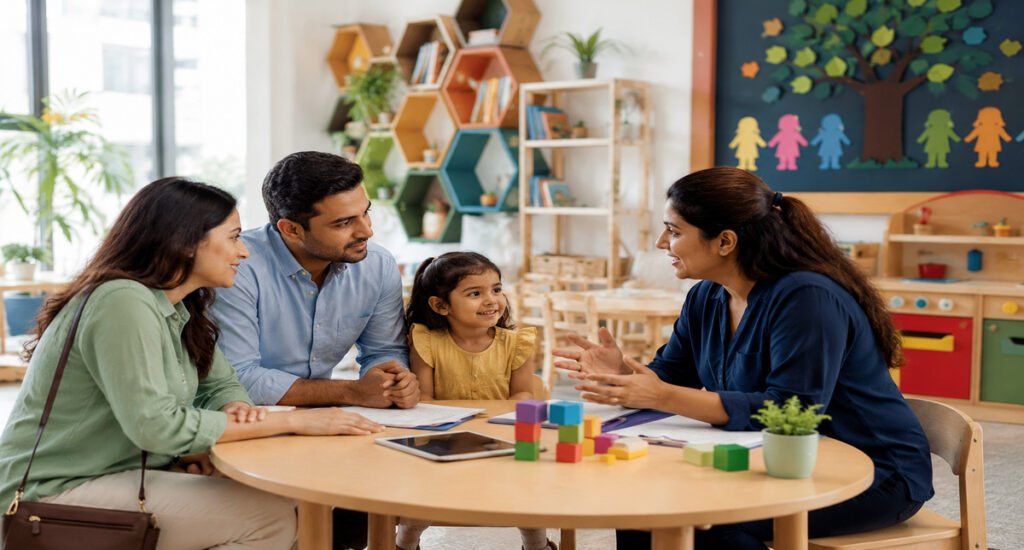
Choosing the right preschool is one of the first important educational decisions parents make for their children. A good preschool should offer more than basic academic preparation. It should create a safe, welcoming, and engaging environment where children can explore, play, communicate, make choices, and develop at their own pace. This is where a child-centered preschool can make a meaningful difference.
In a child-centered setting, the needs, interests, abilities, and developmental stages of children are considered while planning learning experiences. Instead of expecting every child to learn in exactly the same way, teachers observe children, understand their individual needs, and provide opportunities that encourage curiosity and participation. Early education becomes more meaningful when children enjoy the learning process rather than feeling pressured by it.
For parents looking for the best preschool in Bangalore, understanding the characteristics of a child-centered environment can make the selection process easier. Akshaya Bala Kuteera focuses on creating meaningful early learning experiences where children can learn, explore, interact, and grow in a nurturing environment.
What Is a Child-Centered Preschool?
A child-centered preschool places the child at the heart of the learning experience. The classroom is designed to encourage children to participate actively instead of simply listening to instructions or memorizing information.
Learning can happen through stories, conversations, games, art, music, movement, exploration, and play based learning. Teachers guide children and provide age appropriate experiences while allowing them opportunities to experiment and express themselves.
A child-centered approach also recognizes that children develop differently. One child may be comfortable speaking in a group, while another may need more time to participate. A supportive preschool respects these differences and encourages progress without unnecessary comparison.
Does the Preschool Encourage Play-Based Learning?
One of the clearest signs of a child-centered preschool is the presence of meaningful play based learning. Play is not simply a break from learning. For young children, it can be an important way to understand concepts, develop social skills, solve problems, communicate, and explore their surroundings. A preschool that follows this approach may use building blocks, role play, puzzles, storytelling, art, outdoor activities, sensory experiences, and group games as part of the learning process.
Parents visiting a preschool can observe whether children are actively involved in activities or spend most of their time listening to adults. A classroom where children are encouraged to ask questions, explore materials, and participate is more likely to reflect a child-centered approach.
How Do Teachers Interact With Children?
Teachers play a major role in creating a child-centered learning environment. Their interactions with children should be warm, respectful, patient, and encouraging. Instead of immediately giving children the answers, teachers can ask questions that encourage them to think. For example, when a child is building something with blocks, a teacher might ask what the child is creating or what could happen if another block is added.
This type of interaction helps children develop communication, reasoning, confidence, and problem-solving abilities. It also allows teachers to understand children’s interests and learning needs. Parents should observe whether teachers listen carefully to children, acknowledge their ideas, encourage participation, and respond positively to mistakes.
Does the Classroom Support Individual Learning Needs?
Every child enters preschool with different experiences, interests, strengths, and personalities. A good early education environment should recognize these differences rather than expecting all children to progress in exactly the same way. A child-centered preschool provides age-appropriate activities while giving children opportunities to learn at a comfortable pace. Teachers can observe children’s participation and adjust activities when necessary.
For example, a child who enjoys drawing may be encouraged to express ideas through art, while another child who enjoys movement may learn concepts through physical activities. Both experiences can support learning while respecting individual interests.
Is the Learning Environment Safe and Welcoming?
A child-friendly classroom should make children feel comfortable, secure, and confident enough to explore. The physical environment should be organized with children’s age and abilities in mind. Parents can look at whether learning materials are accessible, activity areas are well arranged, and children have enough space to move and participate. A welcoming classroom can also include areas for quiet activities, creative work, group interaction, and independent exploration.
Emotional safety is equally important. Children should feel comfortable approaching teachers, asking questions, sharing ideas, and making mistakes without fear. A nurturing environment can help children develop confidence and positive attitudes toward learning.
Are Children Encouraged to Make Choices?
A child-centered preschool does not mean that children can do anything they want without guidance. Instead, children are given suitable choices within a structured and supportive environment. For example, children may be able to choose between drawing and building activities, select a story, decide how to use certain materials, or choose a role during pretend play.
Small choices can help children develop independence and decision-making skills. They also allow children to become active participants in the learning process rather than passive receivers of information.
Does the Preschool Support Holistic Development?
Preschool education should not focus only on letters, numbers, and early academic skills. The early years are also important for developing social, emotional, physical, language, and creative abilities.
A well-rounded preschool program can provide opportunities for:
- Communication and language development
- Social interaction and cooperation
- Creative expression
- Physical movement and coordination
- Problem-solving
- Emotional development
- Independence and self-confidence
- Curiosity and exploration
A holistic approach helps children build a broad foundation for future learning. NAEYC’s guidance on developmentally appropriate practice highlights the importance of supporting children’s development and learning across different domains rather than focusing on a single area.
How Can Parents Evaluate a Preschool Before Admission?
A preschool visit can tell parents a lot about how children experience the environment. Instead of looking only at infrastructure, parents can pay attention to how teachers and children interact and how learning takes place.
During a visit, parents can consider questions such as:
- Are children actively participating in activities?
- Do teachers listen to children’s questions?
- Are activities appropriate for the children’s age?
- Is there enough opportunity for play and exploration?
- Does the classroom feel safe and welcoming?
- Are children encouraged to express themselves?
- Does the preschool communicate regularly with parents?
- Are children treated with patience and respect?
The answers can help parents understand whether a preschool genuinely follows a child-centered approach or simply uses the term as part of its description.
Why Is Child-Centered Learning Important in Early Education?
The preschool years provide children with opportunities to develop habits, attitudes, relationships, and foundational skills that support later learning. A positive early learning experience can help children associate education with curiosity, exploration, and enjoyment.
Child-centered learning also gives children opportunities to participate actively. Instead of learning only through direct instruction, children can discover concepts through play, conversation, experimentation, movement, and creative activities. This approach can support confidence and independence while helping teachers recognize individual strengths and areas where additional support may be useful.
What Should Parents Look for in the Best Preschool in Bangalore?
Finding the best preschool in Bangalore should be based on more than location, facilities, or popularity. The learning philosophy and daily experience of the child deserve equal attention.
Parents can consider the following factors:
- Learning approach: Look for a preschool that uses age-appropriate and engaging methods.
- Teacher-child relationships: Teachers should interact respectfully and provide encouragement.
- Play opportunities: Children should have regular opportunities for meaningful play and exploration.
- Safety and cleanliness: The physical environment should be suitable and comfortable for young children.
- Individual attention: Teachers should understand that children have different learning needs and personalities.
- Parent communication: Regular communication can help parents understand their child’s experiences and progress.
- Overall development: The preschool should provide opportunities for social, emotional, physical, language, cognitive, and creative development.
What Questions Should Parents Ask a Preschool?
Before selecting a preschool, parents can ask questions that reveal how the school approaches children’s learning and development.
Useful questions include:
- How is play incorporated into the daily learning routine?
- How do teachers support children with different learning needs?
- How much time do children spend in outdoor or physical activities?
- How are children’s developmental progress and interests observed?
- How does the preschool communicate with parents?
- What happens when a child is shy, upset, or hesitant to participate?
- How does the classroom encourage independence and creativity?
These questions can help parents move beyond promotional claims and understand what their child’s everyday preschool experience may look like.
Can a Child-Centered Preschool Prepare Children for School?
Yes. Child-centered learning does not mean ignoring academic foundations. Instead, early academic concepts can be introduced through activities that are appropriate for young children’s developmental stages. Children can develop early literacy, numeracy, language, listening, memory, and problem-solving skills through stories, games, conversations, puzzles, songs, activities, and hands-on experiences.
A child who enjoys learning and feels confident participating in classroom activities can also develop important learning habits that support the transition to formal schooling.
Why Choose Akshaya Bala Kuteera for Early Education?
Akshaya Bala Kuteera understands that every child is different and that early learning should provide opportunities for children to explore, interact, communicate, and develop confidence. A nurturing preschool environment can help children enjoy their early educational experiences while building important foundations for future growth.
For parents exploring preschool options, observing the learning environment, understanding the teaching approach, and considering the child’s individual needs can help in making a thoughtful decision. A child-centered approach can create an environment where learning feels engaging, purposeful, and enjoyable. Parents looking for an early education experience that values children’s curiosity and participation can explore Akshaya Bala Kuteera as part of their preschool search in Bangalore.
Conclusion
Identifying a child centered preschool requires parents to look beyond classrooms, facilities, and academic claims. The most important question is how children experience learning every day. A preschool should give children opportunities to play, explore, communicate, make appropriate choices, build relationships, and develop confidence.
Early education becomes more meaningful when children are actively involved in the process. With play based learning, supportive teachers, age-appropriate activities, and attention to individual needs, preschool can become a positive foundation for lifelong learning.
For parents searching for the best preschool in Bangalore, visiting the school, observing classroom interactions, asking meaningful questions, and understanding the teaching philosophy can help identify an environment that genuinely puts children at the center. Akshaya Bala Kuteera aims to provide a nurturing space where young learners can explore their potential and enjoy the important first steps of their educational journey.
Frequently Asked Questions
1. What is a child-centered preschool?
A child-centered preschool is an early learning environment where children’s interests, abilities, developmental needs, and experiences are considered when planning learning activities. Children are encouraged to participate, explore, communicate, and learn through meaningful experiences.
2. What are the signs of a child-centered preschool?
Some common signs include respectful teacher-child interactions, play based learning, age-appropriate activities, individual attention, opportunities for choice, active participation, and a safe and supportive classroom environment.
3. Why is play-based learning important in preschool?
Play-based learning allows young children to explore ideas and develop skills through activities that are engaging and appropriate for their age. It can support communication, creativity, social interaction, problem-solving, and early cognitive development.
4. How should parents choose a preschool in Bangalore?
Parents should consider the teaching approach, teacher-child relationships, safety, learning environment, play opportunities, individual attention, communication with parents, and opportunities for holistic child development rather than relying only on location or popularity.
5. Is child-centered learning suitable for preschool children?
Yes. Child-centered learning can be well suited to preschool because young children learn through interaction, play, exploration, conversation, movement, and hands-on experiences. The approach can be adapted to children’s developmental stages and individual needs.