7 Proven Ways Alternative Education Balances Freedom and Guidance in Early Childhood Education
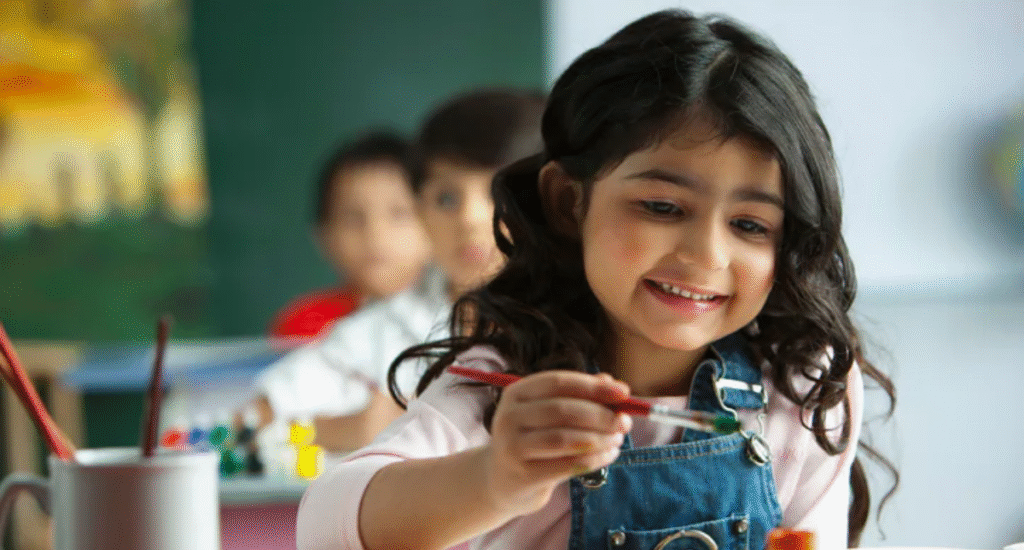
At Akshaya Bala Kuteera, learning is seen as a journey rather than a race. Rooted in alternative education, the school focuses on nurturing every aspect of child development through meaningful and engaging experiences. Instead of strictly controlling how children learn, the approach here is to gently guide them while giving them the freedom to explore their interests.
In today’s world, many parents are moving away from rigid systems and looking for more flexible, child-centered approaches. The idea is simple, when children feel both supported and free, they naturally grow into confident and curious learners.
What Are the 7 Proven Ways to Balance Guidance and Freedom in Learning?
A well-designed early childhood education environment doesn’t choose between freedom and structure, it blends both thoughtfully. Here are the 7 proven ways this balance is achieved:
1. Guided Independence
Children are encouraged to explore on their own, but with gentle support from educators. This helps them feel confident without feeling lost.
2. Learning Through Play
Play is not just fun, it’s meaningful. Through creative learning, children understand concepts naturally while enjoying the process.
3. Flexible Structure
Instead of strict routines, children follow a flexible structure that gives them a sense of stability while allowing personal choice.
4. Teachers as Facilitators
In Montessori schooling and alternative environments, teachers guide rather than instruct. They observe, support, and step in only when needed.
5. Child-Led Exploration
Every child learns differently. Giving them the freedom to follow their interests builds curiosity and a love for learning.
6. Emotional Support and Safety
Children learn best when they feel safe. A supportive environment helps them take risks, ask questions, and express themselves freely.
7. Real-Life Experiential Learning
Learning is connected to real-world experiences, making it more meaningful and easier to understand.
Why is Alternative Education Important for Child Development?
Alternative education focuses on the whole child, not just academic success. It recognizes that emotional, social, and creative growth are just as important as learning numbers and letters. In such environments, children are not compared or rushed. Instead, they are allowed to grow at their own pace. This naturally strengthens key life skills like communication, empathy, and problem-solving.
Research from UNICEF also highlights how early learning experiences shape long-term development, making early childhood education one of the most critical stages in a child’s life.
How Does Creative Learning Support Preschoolers?
Young children learn best when they are actively involved. That’s why creative learning plays such an important role in programs for preschoolers.
Instead of passive listening, children engage in activities that spark curiosity. For example, they might explore concepts through art, storytelling, or play. These experiences not only make learning enjoyable but also deepen understanding.
Creative learning also helps children:
- express their thoughts and emotions freely
- develop imagination and critical thinking
- build a genuine interest in learning
Is Montessori Schooling Effective in Early Childhood Education?
Many parents searching for Montessori schools near me are drawn to its unique balance of structure and independence. Montessori classrooms are carefully prepared to allow children to choose their activities within a guided framework.
This method works well because it respects a child’s natural learning rhythm. However, the most effective schools often go beyond just one method. They combine Montessori principles with modern approaches to create a more holistic experience. That’s exactly what makes certain preschool environments stand out, they adapt to the child, rather than expecting the child to adapt to the system.
What Should You Look for in the Best Preschool Near Me?
When parents search for the best preschool near me, they often focus on facilities or academics. But what truly matters is the learning environment and philosophy.
A good preschool should:
- encourage curiosity instead of memorization
- support both independence and guidance
- focus on emotional and social development
- create a safe and engaging space for children
Ultimately, the right preschool is one where your child feels happy, confident, and excited to learn.
How Akshaya Bala Kuteera Brings This Balance to Life
At Akshaya Bala Kuteera, the balance between guidance and freedom is not just a concept, it’s part of everyday learning. Teachers carefully observe each child and provide support only when needed, allowing children to take the lead in their own learning journey. The environment is designed to be calm, engaging, and flexible. Children are free to explore, but they are never left without direction. This subtle balance helps them feel secure while also encouraging independence.
Over time, this approach builds not just knowledge, but also confidence, creativity, and a strong sense of self.
Why This Approach is More Effective Than Traditional Preschooling
Traditional early childhood education often relies on fixed routines and standardized methods. While structure is important, too much of it can limit a child’s natural curiosity.
A balanced approach, on the other hand, allows children to:
- ask questions without hesitation
- explore their own interests
- learn through real-life experiences
This kind of learning prepares children for the future, where adaptability and creativity are far more valuable than memorization.
What Makes Akshaya Bala Kuteera Different from Other Schools?
What truly sets Akshaya Bala Kuteera apart is its deep respect for each child’s individuality. The school doesn’t follow a one-size-fits-all model. Instead, it creates a space where children feel heard, valued, and inspired to learn. Here, education is not about pushing children to meet standards, it’s about helping them discover their own potential. The blend of alternative education, creative learning, and thoughtful guidance ensures that every child grows in a balanced and meaningful way.
This is what makes Akshaya Bala Kuteera not just a school, but a nurturing environment where learning feels natural and joyful.
Frequently Asked Questions:
1. What is alternative education in early childhood?
Alternative education focuses on child-centered learning, creativity, and overall development rather than only academics.
2. Why is balancing freedom and guidance important?
It helps children become independent thinkers while still feeling supported and secure.
3. Is Montessori better than traditional preschool?
Montessori can be more effective for developing independence and creativity, but the best approach often combines multiple learning methods.
4. What are the benefits of creative learning?
It improves imagination, confidence, and problem-solving skills while making learning enjoyable.
5. How do I choose the right preschool for my child?
Look for a school that values holistic development, encourages curiosity, and maintains a balance between structure and freedom.