

7 Reasons Why Punctuality Is Important in a Student’s Life
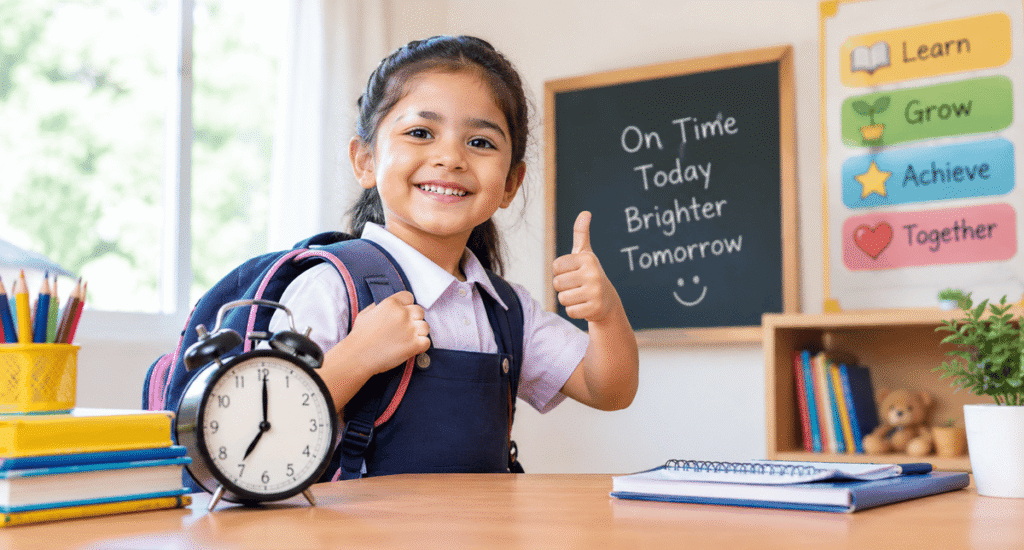
Punctuality is an important habit that helps children become disciplined, responsible, and confident learners. From reaching school on time to following classroom routines, small daily actions teach children how to manage their time and complete their activities. Understanding the importance of discipline in students life from an early age helps children develop habits that support their learning and personal growth.
At Akshaya Bala Kuteera, children learn through play, guided activities, and everyday classroom experiences. These experiences help them understand the value of routines, sharing responsibilities, and respecting time. For young learners, punctuality is not just about arriving at school on time. It is also about learning to follow instructions, prepare for activities, and develop a positive attitude towards learning.
What Is Punctuality in Student Life?
Punctuality means doing things at the right time without unnecessary delays. In a student’s life, it includes reaching school on time, participating in classroom activities as scheduled, completing tasks within the given time, and following a daily routine. For preschool children, punctuality starts with simple habits. Getting ready for school, arriving on time, keeping their belongings organised, and moving from one activity to another are practical ways to learn this skill.
Children may need guidance and reminders at first. With patience and consistency, these small actions can gradually become part of their everyday routine.
Why Is Punctuality Important for Students?
Punctuality helps children understand that time is valuable and that their actions have an impact on their day. It also makes school routines easier to follow and helps children feel prepared for learning.
Here are seven important benefits of punctuality for students.
1. How Does Punctuality Build Discipline?
Punctuality and discipline go hand in hand. When children follow a regular schedule, they learn to understand expectations and complete their daily activities in an organised way.
The importance of discipline in students life becomes clear when children begin to manage small tasks with less assistance from adults. They gradually learn that following a routine helps their day run smoothly.
2. How Does It Improve Learning?
Arriving at school on time allows children to participate in the day’s activities from the beginning. They are less likely to miss instructions, group discussions, storytelling sessions, or hands on learning experiences.
This is especially valuable during the early years, when children learn through observation, interaction, repetition, and play. Regular attendance and punctuality can help children develop a more consistent approach to learning.
3. Can Punctuality Teach Responsibility?
Yes. Punctuality helps children understand that they have a role in managing their everyday activities. Even at a young age, children can learn to take responsibility for simple tasks.
Parents and teachers can encourage children to:
Put their school bags and shoes in the right place.
Get ready for school with age-appropriate support.
Keep their toys and learning materials organised.
Follow instructions during classroom activities.
Return materials after using them.
These habits help children become more independent. Rather than relying on adults for every small task, they begin to understand what needs to be done and when.
4. How Does Punctuality Reduce Stress?
A rushed morning can make both children and parents feel stressed. When children wake up late, search for their belongings, or hurry to school, they may arrive feeling unsettled. A predictable routine can make mornings calmer. Preparing school bags the previous evening, keeping uniforms ready, and allowing enough time to get dressed can reduce last-minute confusion.
Children who arrive on time also have an opportunity to settle into the classroom before starting their activities. This can help them feel more comfortable and ready to participate. Punctuality does not mean expecting children to move quickly all the time. It means creating a routine that gives them enough time to complete tasks without unnecessary pressure.
5. Does Punctuality Help Children Build Confidence?
Yes. Completing small tasks at the right time can give children a sense of achievement. When they get ready for school, follow classroom routines, or finish an activity within the allotted time, they begin to recognise what they can do independently.
Parents and teachers can support this progress by appreciating the child’s effort instead of expecting perfection. Encouragement helps children understand that punctuality is a skill they can improve with practice.
6. How Does Punctuality Improve Social Skills?
School is a place where children learn to interact with others, share materials, take turns, and participate in group activities. Being on time helps them join these experiences without interrupting the group. Punctuality also teaches children to respect other people’s time. When children follow schedules and wait for their turn, they begin to understand the importance of cooperation.
These experiences support student discipline and help children develop consideration for classmates and teachers.
7. How Does Punctuality Prepare Children for the Future?
The habits children develop in their early years can support them as they progress through school and take on new responsibilities. As they grow, punctuality can help students manage homework, prepare for examinations, participate in extracurricular activities, and meet deadlines.
In later life, the same habit can be useful in college, the workplace, and personal commitments. Although punctuality alone does not guarantee success, it can support the organisation, reliability, and self-discipline needed to work towards goals.
How Can Parents Teach Punctuality to Children?
Young children are still learning to understand time. They may not fully understand minutes, deadlines, or why an activity needs to begin at a particular moment. Parents can teach punctuality through simple routines and positive examples.
Create a Consistent Daily Routine
Try to keep waking up, mealtimes, school preparation, playtime, and bedtime reasonably consistent. A predictable routine helps children understand what comes next. For younger children, a simple picture chart showing activities such as waking up, brushing teeth, getting dressed, and leaving for school can make the routine easier to follow.
Prepare for School the Night Before
Avoid leaving every task until the morning. Encourage children to help pack their school bags, arrange their shoes, and keep their uniforms ready. This simple habit reduces confusion and gives children an opportunity to practise responsibility.
Use Positive Reminders
Instead of repeatedly saying, “Hurry up,” give children clear and friendly reminders. For example, tell them that it is time to put away their toys before getting ready for school. For preschoolers, songs, visual cues, and short reminders can make transitions easier to understand.
Teach Through Everyday Examples
Children learn by observing adults. When parents arrive on time for appointments, follow routines, and keep their promises, children see punctuality in action. Explain why being on time matters in simple terms. For example, “When we leave on time, you can join your friends for the morning activity.”
Appreciate Progress
Praise children when they remember a task or follow their routine independently. If they are late or forget something, help them understand what can be done differently next time. The goal is to develop a lasting habit, not to make children afraid of making mistakes.
How Can a Montessori School Encourage Punctuality?
A supportive Montessori school can help children develop punctuality through structured routines, practical activities, and opportunities to take responsibility for their environment. In a child-centred learning environment, children can practise skills such as choosing an activity, using materials carefully, returning items to their proper places, and following classroom expectations.
Teachers can also use visual schedules, transition cues, and consistent classroom routines to help children understand when activities begin and end. At Akshaya Bala Kuteera, guided learning and play-based experiences provide opportunities for children to practise independence, cooperation, and responsibility. These everyday experiences can help young learners understand the value of following routines while enjoying their learning journey.
Parents and teachers can work together to reinforce similar habits at home and school. When children receive consistent guidance in both environments, it becomes easier for them to practise punctuality regularly.
What Mistakes Should Parents Avoid When Teaching Punctuality?
Teaching punctuality requires patience, especially during the preschool years. A few common mistakes can make the process more difficult.
Expecting perfection: Young children need time to learn routines. Occasional delays are part of the learning process.
Using punishment for every delay: Harsh reactions may make children anxious rather than help them understand the habit.
Rushing children constantly: Give them enough time to complete tasks independently, with support when needed.
Keeping unrealistic schedules: A routine should match the child’s age, sleep needs, and pace of development.
Ignoring adult behaviour: Children are more likely to follow routines when adults demonstrate them consistently.
A balanced approach combines clear expectations with understanding and encouragement. The aim is to help children recognise the value of time while developing confidence and independence.
Conclusion
Punctuality is a simple habit that can make a meaningful difference in a child’s learning and personal development. By following daily routines, arriving at school on time, and taking responsibility for small tasks, children gradually develop discipline, confidence, independence, and respect for others. Teaching punctuality does not require strict rules or constant reminders. It begins with patient guidance, positive examples, and consistent practice at home and school. When adults make routines enjoyable and manageable, children are more likely to follow them willingly.
At Akshaya Bala Kuteera, children are encouraged to learn through play, guided activities, and everyday experiences that support their overall development. By helping children build good habits from an early age, we can give them a positive foundation for their future learning journey.
Frequently Asked Questions
1. Why Is Punctuality Important in a Student's Life?
Punctuality helps students develop discipline, responsibility, time-management skills, and consistent learning habits. It also helps them participate in school activities from the beginning and respect other people’s time.
2. What Are the Benefits of Punctuality for Students?
The benefits of punctuality for students include better organisation, fewer rushed mornings, improved participation in classroom activities, greater independence, and stronger personal responsibility.
3. How Can Parents Teach Punctuality to Preschool Children?
Parents can establish a regular daily routine, prepare school items in advance, use visual schedules, give friendly reminders, and appreciate their child’s efforts. Consistent practice helps punctuality become a natural habit.
4. At What Age Should Children Learn Punctuality?
Children can begin learning simple routines during the toddler and preschool years. They do not need to understand exact clock times at first. Following everyday sequences and responding to gentle reminders are useful starting points.
5. How Are Punctuality and Discipline Connected?
Punctuality encourages children to follow routines, meet expectations, and complete activities at the appropriate time. These behaviours support self-discipline and help children become more responsible as they grow.
6. How Can a Preschool Help Develop Student Discipline?
A preschool can encourage student discipline through consistent routines, clear instructions, guided activities, positive reinforcement, and opportunities for children to manage age-appropriate responsibilities.
7. How Do I Choose a Preschool in Bangalore That Supports Good Habits?
When choosing a preschool in Bangalore, look for a safe and supportive environment, caring teachers, age-appropriate activities, consistent routines, and opportunities for children to develop independence, cooperation, and responsibility.