

How Sensory Rich Environments Shape Early Brain Development
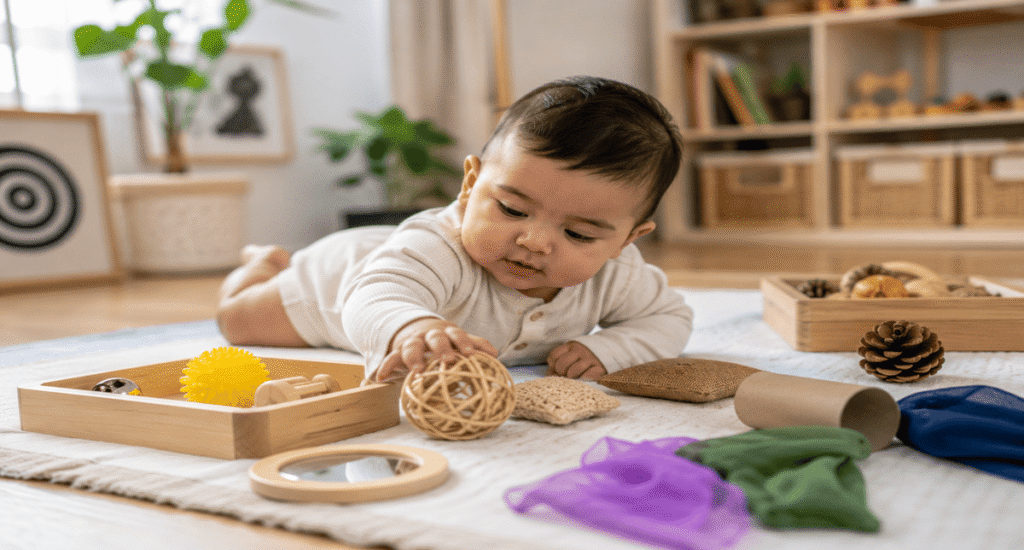
The early years of a child’s life are filled with incredible growth. During this period, every experience helps build important brain connections that influence learning, memory, communication, and emotional well-being. A well-designed sensory-rich environment gives children countless opportunities to explore, discover, and understand the world around them.
At Akshaya Bala Kuteera, creating meaningful learning experiences goes beyond books and classrooms. The preschool believes that children learn best when they can see, touch, hear, smell, move, and interact with their surroundings. Through carefully planned activities and engaging spaces, the school supports early brain development while making learning joyful and exciting. In this blog, let’s understand why sensory rich environments are so important and how they help children develop essential life skills.
Why Are Sensory Rich Environments Important for Early Brain Development?
A child’s brain develops rapidly during the first five years of life. Every new experience strengthens neural connections that later support thinking, problem-solving, language, creativity, and emotional regulation. A sensory rich environment encourages children to actively engage with different materials, sounds, textures, colors, and movements. Instead of simply observing, children become active learners. When children experience different sensory activities regularly, they become more confident in understanding their surroundings while developing stronger cognitive abilities.
What Is a Sensory Rich Environment?
A sensory-rich environment is a learning space designed to stimulate multiple senses in a safe and enjoyable way. It includes activities and materials that encourage children to explore naturally.
Some examples include:
- Water and sand play
- Building blocks
- Clay and play dough
- Musical instruments
- Storytelling sessions
- Nature walks
- Art and craft activities
- Gardening
- Texture boards
- Colorful learning corners
These activities support preschool learning by allowing children to experience concepts instead of simply memorizing them.
How Does Sensory Play Support Child Brain Development?
Every sensory activity activates different parts of the brain simultaneously. When children combine movement, touch, listening, and observation, their brains create stronger neural pathways.
For example, while building a tower with blocks, children use:
- Vision to judge size
- Touch to balance blocks
- Thinking skills to solve problems
- Hand-eye coordination
- Concentration
- Patience
This simple activity contributes significantly to child brain development.
Can Sensory Activities Improve Cognitive Development?
Yes. Sensory experiences help children understand relationships, patterns, and problem-solving through exploration.
Children naturally begin asking questions such as:
- Why is this soft?
- Why does water flow?
- What happens if I mix these colors?
These moments encourage curiosity, which plays a vital role in cognitive development in children. Instead of giving direct answers, teachers encourage exploration, helping children think independently.
How Does Sensory Learning Improve Language Skills?
Language develops when children describe what they experience.
While playing, children naturally use words like:
- Rough
- Smooth
- Cold
- Warm
- Heavy
- Light
- Loud
- Quiet
Teachers introduce new vocabulary during activities, conversations, and storytelling.
As children engage with different sensory experiences, they improve:
- Vocabulary
- Sentence formation
- Listening skills
- Communication confidence
- Storytelling abilities
This is one reason learning through play is so effective during early childhood.
Why Does Movement Matter in Brain Development?
Movement is directly connected to learning.
Activities like:
- Running
- Jumping
- Dancing
- Climbing
- Balancing
- Throwing balls
strengthen coordination while improving focus and memory. Physical movement also supports healthy brain function because it increases blood flow and encourages neural growth. Children who move regularly often show better attention during classroom learning.
How Do Creative Activities Strengthen the Brain?
Creativity encourages children to think without limitations. Painting, drawing, music, pretend play, and craft activities stimulate imagination while strengthening decision-making and problem-solving skills.
Creative activities help children:
- Express emotions
- Build confidence
- Improve fine motor skills
- Develop patience
- Enhance concentration
Rather than focusing only on the final result, the learning process itself becomes valuable.
Can Nature Improve Early Brain Development?
Nature offers one of the richest sensory experiences available.
Children experience:
- Fresh air
- Natural sounds
- Different textures
- Changing weather
- Plants
- Flowers
- Birds
- Insects
These experiences reduce stress while increasing curiosity and observation skills. Outdoor exploration also encourages children to ask questions and discover new ideas independently.
How Does Social Interaction Support Brain Growth?
Learning isn’t only about individual activities. Children grow emotionally and intellectually through interactions with friends and teachers.
During group activities, they learn:
- Sharing
- Cooperation
- Communication
- Empathy
- Teamwork
- Problem-solving
Positive social experiences strengthen emotional intelligence while supporting healthy brain development.
Why Is Play-Based Learning So Effective?
Play is one of the most powerful learning methods during early childhood. Unlike structured memorization, play allows children to experiment without fear of making mistakes.
During sensory play for preschoolers, children naturally develop:
- Creativity
- Confidence
- Critical thinking
- Independence
- Decision-making
- Curiosity
This is why many early childhood education experts recommend play-based learning for preschool children.
How Can Parents Create Sensory Experiences at Home?
Parents don’t need expensive toys to encourage sensory learning.
Simple everyday activities include:
- Cooking together
- Water play
- Sorting vegetables
- Finger painting
- Gardening
- Reading picture books
- Playing with building blocks
- Nature walks
- Clay modelling
Even daily household activities can become valuable learning experiences when children are encouraged to explore safely.
What Makes a Good Preschool Sensory-Friendly?
Choosing the right preschool plays a major role in supporting healthy brain development.
Look for a preschool that offers:
- Safe learning spaces
- Interactive classrooms
- Outdoor play areas
- Creative art sessions
- Music and dance
- Storytelling
- Hands-on learning
- Nature-based activities
- Qualified teachers
- Individual attention
A nurturing environment helps children feel secure, confident, and eager to learn every day.
Why Choose Akshaya Bala Kuteera for Early Childhood Learning?
At Akshaya Bala Kuteera, learning is thoughtfully designed to nurture every aspect of a child’s development. The preschool provides a balanced environment where sensory exploration, play-based activities, creativity, outdoor experiences, and interactive learning come together to support healthy brain growth.
The experienced educators understand that every child learns differently. Through engaging classroom activities and personalized attention, children develop confidence, curiosity, communication skills, and problem-solving abilities while enjoying every step of their learning journey. Parents looking for a preschool in Bangalore that values holistic development can find an environment where children are encouraged to explore, discover, and grow at their own pace.
Conclusion
The experiences children have during their early years lay the foundation for lifelong learning. A sensory-rich environment encourages curiosity, creativity, confidence, and stronger brain development by allowing children to learn through meaningful experiences rather than memorization alone.
At Akshaya Bala Kuteera, every classroom activity, outdoor experience, creative session, and playful interaction is designed to nurture growing minds in a safe and joyful environment. By combining sensory learning with quality early childhood education, the preschool helps children build the skills they need for future academic success and lifelong confidence.
Frequently Asked Questions
1. What is a sensory-rich environment for preschool children?
A sensory-rich environment includes activities, materials, and learning spaces that stimulate a child’s senses through touch, sound, movement, sight, and exploration.
2. How do sensory activities support early brain development?
Sensory activities strengthen neural connections, improve memory, encourage problem-solving, and support language, motor, and social skills.
3. Why is sensory play important in preschool?
Sensory play helps children learn naturally through exploration, improving creativity, concentration, communication, and cognitive development.
4. What are examples of sensory learning activities?
Water play, sand play, painting, music, storytelling, gardening, clay modelling, nature walks, and block building are excellent sensory learning activities.
5. How can parents encourage sensory learning at home?
Parents can provide simple experiences like cooking together, gardening, reading books, water play, finger painting, and outdoor exploration.
6. Why should parents choose a preschool with sensory learning?
A preschool with sensory learning encourages holistic development by supporting brain growth, creativity, confidence, communication, and problem-solving through hands-on experiences.