

Why Everyday Routines Help Children Learn Faster at Preschool
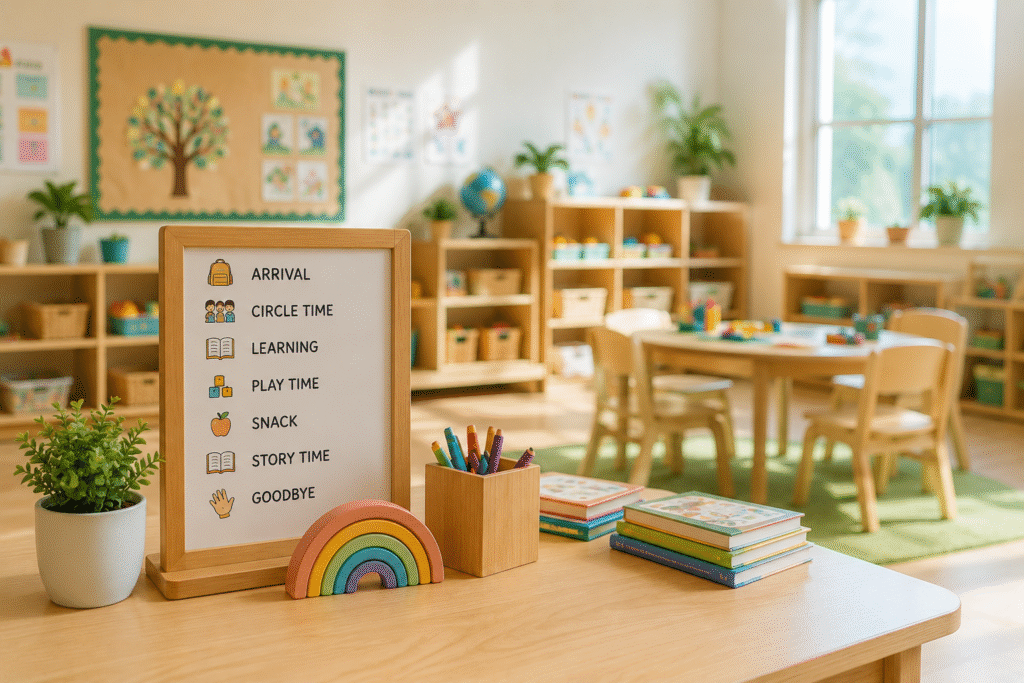
The early years of a child’s life are filled with curiosity, discovery, and rapid growth. During this important stage, children learn best when they experience consistency in their daily lives. Simple routines, such as arriving at preschool, participating in circle time, enjoying play-based activities, eating healthy meals, and following bedtime schedules, create a strong foundation for learning.
At Akshaya Bala Kuteera, every day is thoughtfully planned to help children feel secure, confident, and excited to learn. As a trusted preschool in Bangalore, the school believes that structured yet enjoyable routines play a major role in supporting early childhood education, strengthening child development, and encouraging children to become independent learners.
Daily routines are not about making children follow strict rules. Instead, they help children understand what comes next, reduce anxiety, improve concentration, and make learning enjoyable. Over time, these consistent experiences shape positive behaviors that support lifelong success.
What Is a Daily Routine in Preschool?
A daily routine is a predictable schedule that includes activities children follow every day. These routines provide balance between learning, play, rest, and social interaction.
A well-planned preschool routine may include:
- Welcome and free play
- Circle time
- Storytelling
- Creative art activities
- Outdoor play
- Snack and lunch time
- Music and movement
- Quiet reading
- Group learning
- Departure
Although every day offers something new, following a familiar structure helps children feel comfortable and prepared for learning.
Why Do Daily Routines Help Children Learn Faster?
Children naturally thrive when they know what to expect. A consistent schedule gives them emotional security and helps them focus on learning instead of worrying about changes.
Research in early childhood education shows that predictable routines improve attention, memory, language development, and emotional regulation. When children repeat positive activities daily, their brains create stronger connections, making it easier to remember new information and develop important skills. Rather than learning through pressure, children learn through repetition, exploration, and meaningful experiences.
How Does Preschool Build Healthy Learning Habits?
One of the greatest benefits of attending a quality preschool is the development of positive learning habits. These habits gradually become part of a child’s daily life and continue well into primary school.
Children begin to learn how to:
- Listen carefully
- Follow simple instructions
- Wait patiently for their turn
- Organize their belongings
- Complete small tasks
- Respect classroom rules
- Help friends
- Clean up after activities
These everyday actions may appear simple, but together they teach responsibility, independence, and discipline. Over time, these habits improve academic readiness and social confidence.
Why Is Play-Based Learning Important?
Young children learn best while playing. This is why play based learning remains one of the most effective teaching approaches in modern early childhood education. Instead of memorizing facts, children explore ideas through games, puzzles, storytelling, music, role play, and creative activities.
Play-based learning helps children develop:
- Problem-solving abilities
- Creativity
- Language skills
- Teamwork
- Emotional expression
- Confidence
- Curiosity
At Akshaya Bala Kuteera, learning through play allows every child to discover new concepts naturally while enjoying every moment of their preschool experience.
How Do Routines Support Cognitive Development?
One of the biggest advantages of consistent routines is improved cognitive development. The brain grows rapidly during the preschool years. Daily repetition strengthens memory, improves attention, and encourages logical thinking.
Routine activities such as:
- Counting during circle time
- Sorting objects
- Story sequencing
- Matching games
- Building blocks
- Pattern recognition
help children improve their thinking skills without making learning feel stressful. As children repeat these activities regularly, they become more confident in solving problems independently.
Can Everyday Habits Improve Child Development?
Positive routines influence every aspect of child development, including physical, emotional, social, and intellectual growth. Children who follow regular routines often develop:
Better Emotional Development
Predictable schedules reduce stress because children know what to expect throughout the day.
Strong Social Skills
Group activities teach sharing, communication, empathy, and cooperation.
Better Physical Development
Outdoor games, movement exercises, and fine motor activities strengthen coordination and balance.
Improved Language Skills
Daily conversations, storytelling, songs, and reading sessions expand vocabulary naturally.
Greater Independence
Children gradually learn to complete age-appropriate tasks without constant assistance.
Why Are Healthy Habits Easier to Learn in Preschool?
Early childhood is the perfect time to introduce healthy habits that become lifelong behaviors. Children observe adults and imitate what they see. A structured preschool environment encourages positive habits through everyday activities.
Healthy routines include:
- Washing hands before meals
- Eating nutritious snacks
- Drinking enough water
- Keeping classrooms clean
- Practicing good hygiene
- Sleeping on time
- Physical activity
- Respecting personal space
These habits support both physical health and emotional well-being.
How Does Kindergarten Prepare Children for School?
A quality kindergarten or preschool prepares children far beyond academics. School readiness includes developing confidence, communication skills, independence, emotional control, and curiosity.
Children become comfortable with:
- Classroom routines
- Listening to teachers
- Participating in group discussions
- Following schedules
- Working independently
- Asking questions
- Solving simple problems
These experiences make the transition to primary school much smoother.
Is Montessori School Better for Daily Learning?
Many parents compare traditional preschools with a Montessori school. Both approaches value structured routines, independence, and hands-on learning. The most important factor is choosing a preschool that provides:
- Safe learning spaces
- Qualified teachers
- Play-based activities
- Individual attention
- Strong parent communication
- Age-appropriate routines
Parents should select a school that matches their child’s personality, learning style, and developmental needs rather than focusing only on one educational method.
How Can Parents Continue Learning Habits at Home?
Learning should not stop after school hours. Children benefit the most when preschool and home routines work together.
Parents can support learning by:
- Maintaining regular wake-up and bedtime schedules.
- Reading together every day.
- Limiting unnecessary screen time.
- Encouraging independent play.
- Giving simple household responsibilities.
- Praising effort rather than perfection.
- Talking about their preschool experiences.
- Providing healthy meals.
- Spending quality family time.
These simple activities reinforce what children learn during the day and strengthen their confidence.
What Makes Akshaya Bala Kuteera Different?
Every child learns differently, but every child benefits from consistency, encouragement, and joyful experiences. At Akshaya Bala Kuteera, experienced educators carefully design each day’s activities to support complete child development through structured routines, creative exploration, and play based learning.
The school’s nurturing environment helps children:
- Build confidence
- Develop healthy habits
- Improve communication skills
- Strengthen cognitive abilities
- Become independent learners
- Enjoy meaningful friendships
- Discover the joy of learning
As a leading preschool in Bangalore, Akshaya Bala Kuteera focuses on creating an engaging atmosphere where every child feels valued, respected, and inspired.
Conclusion:
The small routines children follow every day have a remarkable impact on how they grow, learn, and succeed. Predictable schedules help children feel safe, improve concentration, strengthen cognitive development, and encourage positive learning habits that last throughout life.
When combined with quality early childhood education, engaging play based learning, and caring teachers, everyday routines become powerful tools for lifelong success.
At Akshaya Bala Kuteera, children experience a balanced learning environment where education goes beyond academics. Through thoughtfully planned daily routines, nurturing guidance, and enjoyable activities, the school helps every child build confidence, independence, and a genuine love for learning. For parents searching for a trusted preschool in Bangalore, Akshaya Bala Kuteera offers the perfect foundation for a bright and successful future.
Frequently Asked Questions
1. Why are routines important for preschool children?
Daily routines help children feel secure, improve focus, reduce anxiety, and develop positive learning habits that support academic and emotional growth.
2. How does play-based learning improve child development?
Play-based learning encourages creativity, problem-solving, communication, social interaction, and cognitive development while making learning enjoyable.
3. What are the benefits of enrolling a child in preschool?
A preschool helps children develop communication skills, independence, social confidence, emotional regulation, healthy habits, and school readiness through structured early childhood education.
4. How can parents create healthy routines at home?
Parents can establish consistent sleep schedules, encourage reading, provide nutritious meals, limit screen time, and involve children in simple daily responsibilities.
5. At what age should a child start preschool?
Most children begin preschool between the ages of 2.5 and 4 years, depending on their developmental readiness and the school’s admission criteria.