

Why Social Interaction Is Important for Preschoolers
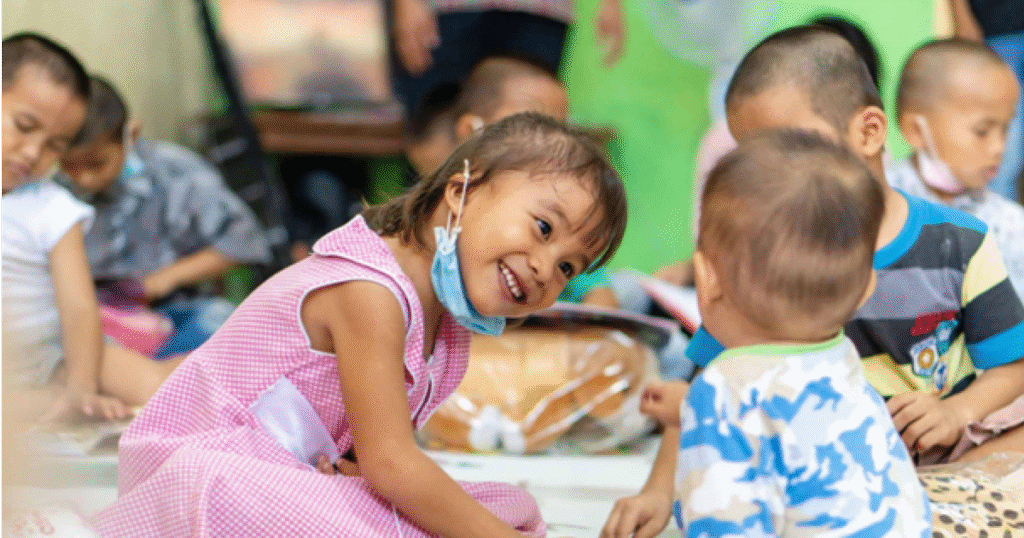
Early childhood is a crucial time for learning how to communicate, share, and build relationships. At Akshaya Bala Kuteera, we believe that social interaction plays a key role in shaping a child’s personality and confidence during the preschool years. A supportive preschool environment allows children to interact with peers, learn cooperation, and develop essential life skills that will benefit them in school and beyond.
Preschool is not just about learning numbers and alphabets. It is also about helping children understand emotions, build friendships, and improve their social interactions. Through group activities, play-based learning, and guided interaction, children naturally develop the social abilities needed to succeed in life.
What Are Social Interaction in Preschool?
Social interactions in preschool refer to the ways children communicate, play, and cooperate with other children and teachers. These everyday social interactions help young learners understand social behavior, empathy, and communication.
For example, when children participate in group play, storytelling, or collaborative activities, they learn how to listen, respond, and work together. Such experiences support their emotional development in preschool, helping them recognize their own feelings as well as those of others.
Preschool classrooms are designed to encourage these interactions through:
- Group games and role play
- Sharing toys and learning cooperation
- Communication during storytelling sessions
- Classroom discussions and teamwork
These experiences form the foundation for healthy social development milestones in early childhood.
How Does Preschool Help Develop Social Skills?
A structured preschool environment provides many opportunities for children to interact with peers and adults. These interactions help them gradually develop confidence and communication skills.
Through carefully designed social skills activities for preschoolers, children learn important behaviors such as sharing, taking turns, and expressing their thoughts clearly.
Some common ways preschools encourage social interactions include:
- Collaborative art and craft activities
- Group storytelling sessions
- Play-based learning with peers
- Guided classroom discussions
These activities help children practice communication and teamwork in a safe and supportive environment.
What Are the Key Social Development Milestones in Early Childhood?
Children go through several social development milestones during their preschool years. These milestones indicate how well they interact with others and adapt to group environments.
By the time children reach preschool age, they usually begin to:
- Show interest in playing with other children
- Understand the importance of sharing and cooperation
- Develop friendships with classmates
- Express emotions such as happiness, frustration, or excitement
- Follow simple social rules in a group setting
These milestones are an important part of overall child development and prepare children for future academic and social success.
Why Are Social Interaction Activities Important for Pre-schoolers?
Children learn best through play and interaction. That is why social skills activities for preschoolers are an essential part of early childhood education.
Activities such as group games, storytelling, and pretend play encourage children to communicate and collaborate with their peers. This helps them build confidence and develop problem-solving abilities.
These activities also support emotional development in preschool, as children learn how to manage feelings, resolve conflicts, and build positive relationships.
Over time, these experiences help children develop:
- Better communication skills
- Emotional understanding
- Teamwork and cooperation
- Confidence in social situations
How Does Preschool Support Emotional Development?
Emotional development is closely connected with social interaction. When children interact with teachers and classmates regularly, they begin to understand their own emotions and how to respond to others.
In a nurturing preschool environment, children feel safe to express themselves, ask questions, and explore new friendships. Teachers guide them through these experiences, helping them learn empathy and respect.
Strong emotional development helps children build resilience, confidence, and the ability to adapt to different situations.
For more insights about early childhood learning approaches, you can explore resources from UNICEF or Harvard Center on the Developing Child, which highlight the importance of early social experiences in brain development.
Why Choose a Preschool That Focuses on Social Learning?
When selecting a preschool, parents often focus on academics. However, social learning is equally important during the early years. A preschool that encourages communication, teamwork, and interactive learning helps children grow both emotionally and intellectually.
Parents searching for the best preschool in Bangalore often look for schools that provide a balanced approach to academics, creativity, and social development.
A well-designed preschool program ensures children gain the confidence to express themselves, make friends, and develop independence.
Why Akshaya Bala Kuteera Is Different from Other Preschools
Among the many preschools in Bangalore, Akshaya Bala Kuteera focuses strongly on holistic child development. The school provides a nurturing learning environment where children grow through play, interaction, and creativity.
What makes this preschool unique is its focus on both academic learning and social development. Through structured activities and guided interaction, children learn important life skills at an early age.
The school emphasizes:
- Interactive learning and group activities
- Development of communication and social skills
- Safe and supportive classroom environments
- Focus on emotional and social growth
These elements help children build confidence, develop friendships, and prepare for their future educational journey.
Frequently Asked Questions:
1. At what age do children develop social skills?
Children begin developing social interactions from infancy, but preschool years are especially important. During this stage, children learn communication, cooperation, and emotional understanding through interaction with peers and teachers.
2. How can parents encourage social interaction at home?
Parents can support social development by encouraging playdates, group activities, storytelling, and cooperative games. These experiences help children practice communication and teamwork.
3. Why is preschool important for social development?
Preschool provides a structured environment where children interact with peers, learn social rules, and develop communication skills. These experiences help them build confidence and prepare for school life.
4. What activities improve social skills in preschoolers?
Activities such as role play, storytelling, group games, and collaborative art projects help preschoolers develop communication and teamwork skills while learning how to share and cooperate.